Digital Marketing Solutions Summit | Forum Events Digital Marketing Solutions Summit | Forum Events Digital Marketing Solutions Summit | Forum Events Digital Marketing Solutions Summit | Forum Events Digital Marketing Solutions Summit | Forum Events

Posts By :

Stuart O'Brien

Do you specialise in Digital Signage? We want to hear from you!

Each month on Digital Marketing Briefing we’re shining the spotlight on different parts of the print and marketing sectors – and in September we’ll be focussing on Digital Signage solutions.

It’s all part of our ‘Recommended’ editorial feature, designed to help marketing industry professionals find the best products and services available today.

So, if you specialise in Digital Signage and would like to be included as part of this exciting new shop window, we’d love to hear from you – for more info, contact Kerry Naumburger on k.naumburger@forumevents.co.uk.

Sept – Digital Signage

Oct – Brochure Printing

Nov – Creative & Design

Dec – Online Strategy

Jan 2024 – Content Management

Feb 2024 – Lead Generation & Tracking

Mar 2024 – Email Marketing

April 2024 – Digital Printing

May 2024 – Social Media

Jun 2024 – Brand Monitoring

July 2024 – Web Analytics

Aug 2024 – Conversion Rate Optimisation

UK consumers reckon 50% of personalised content is a turn off

Over half (51%) of UK consumers say that the targeted content they receive online is often “boring” or “unhelpful.”

That’s according to new research from Optimizely, the leading digital experience platform (DXP) provider, which reveals that while personalisation holds great potential for enhancing customer loyalty, the reliance on assumptions and outdated technology remain major obstacles.

Based on a comprehensive study of 100 UK marketing leaders and 1,000 UK consumers, the Personalised to Personal report shows that an overwhelming 70% of consumers feel frustrated that the promotions they receive are not directly relevant to their personal interests.

Concerningly, 83% of marketers admitted that their current personalisation efforts heavily rely on assumptions about customers rather than high-quality insights. 71% also acknowledged that generalisations still form the foundation of too many personalisation campaigns, pointing to a significant gap between the personalised experiences consumers desire and what brands currently provide.

The study also shed light on how outdated technologies hinder effective personalisation. Only 33% of marketers claimed to possess the necessary technology to deliver hyper-personalised experiences tailored to individual customers.

These shortcomings largely stem from outdated technology, with a staggering 74% of marketers feeling that their current personalisation tools are no longer adequate.

However, the report also highlights the immense potential of personalisation to foster customer loyalty. A notable 65% of consumers are more loyal to a brand that has taken the time to understand them on a deeper, more personal level.

“In 2023, delivering truly personalised content is absolutely essential to meet individuals’ interests and needs, as well as to foster brand loyalty,” said Shafqat Islam, CMO of Optimizely. “But when the vast majority of marketers are using outdated technology, it’s nearly impossible for them to regularly meet consumer’s expectations, leading them to miss out on the strong growth opportunities that a data-led personalisation strategy provides.”

The findings of Optimizely’s report highlight the urgent need for brands to bridge the gap between customer expectations and the personalised experiences companies currently deliver. By investing in modern, data-driven technologies, such as web experimentation, brands can optimise their personalisation efforts and forge deeper connections with their customers.

While having modern personalisation technology is crucial for providing relevant online experiences, brands must also focus on making their content engaging and exciting to avoid appearing dull. To achieve this, marketing leaders should think about adopting a content marketing platform, providing a dedicated workspace where teams can organize workflows, collaborate on assets, and efficiently run campaigns. By simplifying the content creation process, marketers can dedicate more time to crafting and refining content and less time on administrative tasks.

Over half (51%) of UK consumers say that the targeted content they receive online is often “boring” or “unhelpful.”

Positive customer service now ‘crucial’ to brand success

British customers are more likely to vote with their wallet when they are unhappy with a brand, with 1 in 2 (51%) said they will only give brands two chances after a bad brand interaction before choosing not to buy from them again.

64% said a good customer call experience would make them brand advocates, making the short call centre interaction even more crucial to brand loyalty, according to new online research from Infobip.

The research polled 2,000 UK Adults aged 18 and above, and aimed to find out the motivations and avenues which British consumers are complaining. The findings revealed the following about customer complaints in the UK:

  • Per my last email: Almost half (45%) of Brits say they prefer using email to lodge complaints; with almost half (48%) saying they preferred to because of convenience.
  • Please leave a message after the tone: Of the 17% who said they preferred call centres, unsurprisingly, Gen Zs (18 to 24-year-olds) came in last at only 10%, and it’s those aged 25-34 and above 65 that came in tops at 20% and 21% respectively. A finding that suggests that while millennials are commonly known to steer clear from making phone calls, younger customers will do so to get their problems fixed.
  • Poor service, product and delivery delays the biggest gripes: 33% say poor service was the main complaint motivator, followed by poor product (27%) and delivery delays (28%).
  • Retailers are repeat offenders: 2 in 5 (44%) said they complained about the retail sector, ahead of food delivery companies (19%) and utilities (16%).

Despite the motivations behind and methods of the complaints, the findings also showed that brands still have the chance to turn an unpleasant experience into a positive one, and even convert customers into brand advocates with a positive customer service experience.

  • Don’t show me the money: 1 in 3 said speaking to an agent who empathises with their problems (33%) help improve the overall complaint experience, more so than receiving monetary compensation (17%) – in a finding that suggests that people do not want money thrown at the problem.
  • There is no time to waste: 4 in 5 say that call centre workers who can address their issues (44%) and quickly answer their queries (40%) make the unpleasant complaint experience better.

James Stokes, Country Manager, UK & Ireland at Infobip said: “Regardless of the preferred method of complaining, brands only have a short timeframe to turn irate customers into brand advocates. Making customers happy is no longer a ‘good to have’. With customers showing willingness to vote with their feet, good customer service is crucial to businesses’ overall bottom-line. With an omnichannel customer service platform solution, we hope to empower call centre workers with the right tools to perform at their best, and ultimately allow customers to reap the benefits on their preferred communications platform.”

Boosting Your Online Success: Conversion Rate Optimisation in a nutshell

Conversion Rate Optimisation (CRO) is a vital strategy to improve the effectiveness of your online presence. Simply put, CRO involves enhancing your website and marketing efforts to increase the percentage of visitors who complete desired actions, or ‘conversions’. This primer aims to outline the key aspects of CRO for your business’s digital marketing strategy…

1. Understanding Conversion Rate Optimisation: CRO isn’t merely about increasing traffic to your website; it’s about optimising the visitor experience to motivate action. Actions can range from making a purchase, filling out a form, to downloading an eBook – any valuable interaction that aligns with your business goals.

2. Identifying Conversion Goals: A crucial first step in CRO is setting clear, measurable conversion goals based on your business objectives. These goals will guide your optimisation efforts and provide a benchmark for success.

3. Analysing Current Performance: Utilising tools like Google Analytics, track and assess your current website and marketing performance. Key metrics could include bounce rate, page views, average session duration, and, of course, conversion rate.

4. User Experience (UX) Optimisation: Good UX design is essential for CRO. Ensure your website is easy to navigate, visually appealing, and intuitively designed to guide visitors towards the conversion goal.

5. A/B Testing: This is a method where two versions of a web page, email, or other marketing assets are tested against each other to determine which performs better. By altering elements like headlines, colour schemes, images, or call-to-action buttons, you can identify what resonates most with your audience.

6. Customer Journey Mapping: Understanding your customer’s journey can provide valuable insights into where potential conversion obstacles lie. This can help you streamline the process and eliminate any barriers to conversion.

7. Call-to-Action (CTA) Optimisation: CTAs guide your website visitors towards conversion. Effective CTAs are compelling, concise, and visually striking.

8. Continuous Improvement: CRO isn’t a one-time task; it’s an ongoing process that requires regular testing, analysis, and improvements. The digital landscape is continually changing, and consumer behaviours evolve over time, so it’s crucial to keep your CRO strategy agile and adaptable.

Implementing a robust CRO strategy within your digital marketing efforts can lead to higher conversion rates, improved return on investment, and deeper insights into customer behaviour.

With a focus on providing value and a superior online experience for your audience, CRO paves the way for online business growth and success.

Are you looking for CRO expertise and solutions for your businesses? The Digital Marketing Solutions Summit can help!

Generative AI ‘revolutionising’ retail experiences

Generative AI’s ability to fabricate hyper-customised content is turning the tables in retail marketing and communication strategies, also extending its reach into tasks such as inventory planning.

Kiran Raj, Practice Head of Disruptive Tech at GlobalData, said: “In a retail environment where the product-to-experience shift is increasingly significant, genAI can enable the creation of immersive, personalised experiences, integrating virtual and physical retail spaces in a manner that resonates with modern consumers’ expectations. Moreover, it is no longer about a one-size-fits-all engagement; rather, it is about a tailor-made experience catering to individual needs”

Saurabh Daga, Associate Project Manager of Disruptive Tech at GlobalData, added: “By leveraging key data points from customers’ purchase history and preferences, genAI can facilitate building personalized shopping experiences and targeted marketing strategies. The technology can empower retailers to deliver superior service at reduced costs, leading to greater customer satisfaction.”

GlobalData’s latest Innovation Radar report, “Cognitive revolution: genAI meets retail,” offers a view of how the disruptive technology is being deployed across the retail value chain, from inventory management and personalised marketing to customer experience and support.

GenAI can transform retail operations such as inventory planning, product recommendations, and customer service. Promising genAI applications include creating new product designs based on defined criteria and sentiment analysis to predict customer trends.

It cites traditional retailers like Carrefour and IKEA are using genAI to streamline operations and augment customer support. Meanwhile, e-commerce players like Amazon, Shopify, and Instacart are leveraging genAI to improve online shopping experiences and increase cart conversion rates. Big technology companies such as Google and Salesforce are offering genAI solutions to help e-commerce players as well as retailers optimize their online customer engagement.

Daga concluded: “While there are inherent challenges in implementing genAI, particularly in consumer-facing sectors like retail, the potential for substantial progress is undeniable. Challenges such as content quality and privacy must be managed through strong governance. Small and medium retailers can benefit from strategic partnerships to overcome entry barriers required to build the supporting technology, infrastructure, and personnel for genAI implementation.”

Image by Hannes Edinger from Pixabay

Enhancing efficacy: Top tips for Conversion Rate Optimisation in marketing

In the ever-evolving digital marketing landscape, conversion rate optimisation (CRO) plays a pivotal role. CRO is the systematic process of increasing the percentage of website visitors who complete a desired action – whether it’s filling out a form, becoming customers, or otherwise. Implementing a successful CRO strategy can significantly bolster your business performance. Here are some top tips to help you on your way…

  1. Understand your audience: The first step in CRO is understanding your audience – their preferences, behaviour, and needs. Use tools like Google Analytics, heat maps, and user surveys to gain insights into your audience’s behaviour. What are their demographics? What is their user journey like? Which areas of your website do they interact with most? Armed with these insights, you can shape a more effective CRO strategy.
  2. Optimise for mobile: Over half of all web traffic comes from mobile devices, according to most data. Thus, ensuring your website is mobile-friendly is not just an option – it’s a necessity. Ensure your website’s design is responsive, loads quickly on mobile devices, and offers a seamless user experience to drive conversions.
  3. Improve site speed: A slow-loading site can be a conversion killer. Research shows that a delay of just one second in page response can result in a 7% reduction in conversions. Regularly test your website’s speed and take necessary steps to enhance it – optimise image sizes, leverage browser caching, reduce server response time, and more.
  4. Effective Call to Actions (CTAs): Your CTAs should be clear, concise, and compelling. They should tell users exactly what they’ll get when they click. A/B test different versions of CTAs to determine what works best for your audience.
  5. Simplify Forms: If your conversion involves filling out a form, keep it as simple and straightforward as possible. Ask only for necessary information. Each additional field can become a barrier to conversion.
  6. User Experience (UX) is key: A positive user experience can significantly improve your conversion rate. Ensure your website is easy to navigate, content is easy to read, and information is easy to find.
  7. Leverage Social Proof: Reviews, testimonials, case studies, and endorsements can greatly impact your conversion rate. They add credibility to your offering and can often tip the balance in your favour when a potential customer is considering whether to convert.
  8. Test, analyse, repeat: CRO isn’t a one-and-done process. You need to continually test different elements of your site (layouts, images, copy, CTAs), analyse the results, and refine your strategy based on those insights.
  9. Personalise where possible: Personalisation can significantly enhance conversion rates. Using user data to deliver customised content, recommendations, or offers can make your audience feel valued and understood, increasing the likelihood of conversion.
  10. Address potential objections: Be proactive in addressing any potential concerns or objections that might prevent a user from converting. Detailed FAQs, live chats, or having a clear, comprehensive return policy can provide reassurance to prospects, thus increasing conversions.

Conversion rate optimisation is a critical aspect of any digital marketing strategy. By understanding your audience, optimising your website’s performance, refining your content, and continually testing and adapting your approach, you can significantly enhance your CRO, boost your business results, and provide a better experience for your users. It’s a win-win situation.

Are you looking for conversion rate optimisation solutions for your brand or business? The Digital Marketing Solutions Summit is here to help! 

Image by StartupStockPhotos from Pixabay

Digital engagement ‘key to driving luxury purchases’

The outlook for luxury shopping in 2023 is positive, according to a poll of 500 shoppers that found nearly half (45%) of respondents purchased 3-5 luxury goods in 2022; while just under a quarter (24%) purchased 6-10 items, and 11% purchased luxury goods more than eleven times.

In good news for the 2023 outlook, the same research conducted by Wunderkind reveals that 70% of consumers are confident about their personal economic prospects and 89% expect to maintain or increase their level of online purchases this year.

However, success for luxury brands will be contingent on delivering consistently personalised digital engagement across multiple channels – as the same proportion of respondents (89%) said that, when considering whether to purchase from a new brand, personalisation of messaging and content has a significant influence on their decision-making.

While luxury consumers are often fiercely loyal to their chosen brands, with a tendency toward repeat purchases, Wunderkind’s research showed that 45% are open to broadening their horizons and trying new brands.  Social media channels were considered the most influential for staying engaged with luxury brands, the favoured option of more than half (53%) of respondents, followed by a brand’s app (46%) and email (45%).

Reflecting on their journey to purchase, 50% of consumers stated that they research a product 3-5 times before they buy. For millennials in particular, this journey is often fragmented and ‘omnichannel’ – spanning 3-5 channels or platforms before ultimately closing the purchase.

Cian Agnew, Executive Director of Client Partnerships at Wunderkind, said: “There are valuable lessons in the research for brand marketers in the face of economic uncertainty.  While 70% of luxury consumers are confident about their personal economic outlook for 2023 – indicating a broadly undiminished appetite for shopping – the consideration phase is still relatively elongated, with consumers researching products across multiple brand channels, and in multiple sessions, before ultimately adding to basket.

“These findings support the need for brands to have strategies in place to effectively capture visitors via their owned channels – and to then re-engage and bring them back on-site if they don’t convert on their first visit.  Communicating in a way that’s highly relevant, personal and tailored to the individual is key bringing consumers back – and turning casual browsers into loyal, repeat purchasers.”

Image by justinedgecreative from Pixabay

SAVE THE DATE: Digital Marketing Solutions Summit 2024

The next Digital Marketing Solutions Summit will take place on May 8th 2024 at the Hilton London Canary Wharf, bringing marketing professionals together with the digital solutions they need.

The concept of the event is simple: Delegates receive an itinerary of meetings with the solution providers that match their strategic needs for 2019 and beyond.

Simple and effective. And no time wasted.

And it’s free for marketing industry professionals to attend as delegates – simply click here to register your place.

More bespoke than a digital marketing conference and more focused than an expo, the Digital Marketing Solutions Summit is the only event you need to attend this year.

For more information on registering as a delegate, contact Alex King on 01992 374086 or email a.king@forumevents.co.uk.

Alternatively, if you’re a digital marketing solutions provider and would like to showcase your products and services at the event, contact Bailey Parker on 01992 374093 or email b.parker@forumevents.co.uk.

Do you specialise in Conversion Rate Optimisation? We want to hear from you!

Each month on Digital Marketing Briefing we’re shining the spotlight on different parts of the print and marketing sectors – and in August we’ll be focussing on Conversion Rate Optimisation solutions.

It’s all part of our ‘Recommended’ editorial feature, designed to help marketing industry professionals find the best products and services available today.

So, if you specialise in Conversion Rate Optimisation and would like to be included as part of this exciting new shop window, we’d love to hear from you – for more info, contact Kerry Naumburger on k.naumburger@forumevents.co.uk.

Aug – Conversion Rate Optimisation
Sept – Digital Signage
Oct – Brochure Printing
Nov – Creative & Design
Dec – Online Strategy
Jan 2024 – Content Management
Feb 2024 – Lead Generation & Tracking
Mar 2024 – Email Marketing
April 2024 – Digital Printing
May 2024 – Social Media
Jun 2024 – Brand Monitoring
July – Web Analytics

TikTok ‘needs to build trust’ and double down on data security to make headway in e-commerce

To prove itself as a legitimate ecommerce platform, TikTok must gain regulatory trust and ensure the safety of user data, say analysts at GlobalData.

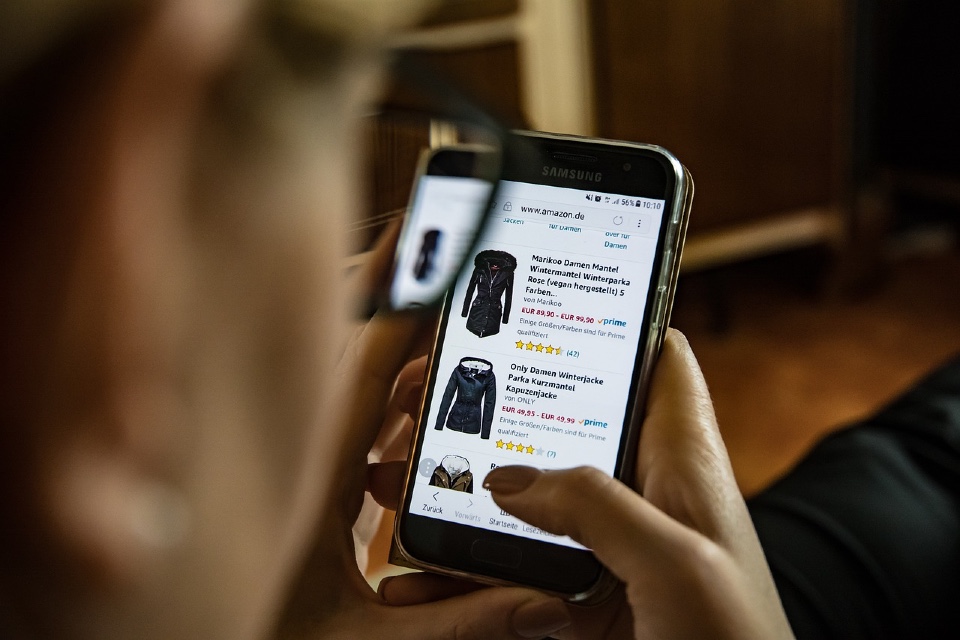
Short video app TikTok, owned by ByteDance, is set to compete with the likes of Amazon, Shein, Sea Group’s Shopee, and Alibaba’s Lazada, with its live streaming ecommerce business. However, its new initiative comes at a time when the company is under scrutiny over data privacy concerns in the US and Europe.

Pinky Hiranandani, Principal Analyst at GlobalDat, said: “Security and trust are vital for ecommerce transactions. TikTok must implement strong security measures to protect user data from unauthorized access, including end-to-end encryption of sensitive data and complying with the General Data Protection Regulation (GDPR) in the European Union and the California Consumer Privacy Act (CCPA) in the US. Also, the upcoming Digital Services Act in the EU requires platforms like TikTok to limit disinformation and better protect children online.”

TikTok Shop, the company’s ecommerce platform, which allows users to discover and purchase products directly from TikTok videos, has gained popularity in the Southeast Asian market backed by its large and engaged user base. In 2022 alone, TikTok Shop expanded to Malaysia, Singapore, Indonesia, the Philippines, Vietnam, and Thailand.

While its main focus will be on markets such as Indonesia, TikTok is planning to expand its ecommerce business in the US and the UK. However, the company is already facing setbacks in the US and Europe (the UK, Denmark, and Belgium), with lawmakers banning the app on government devices. In May 2023, the state of Montana made the landmark move to ban the app completely. Although such bans may not prevent TikTok or any other social media company from accessing a user’s personal data, having a comprehensive federal data privacy law in the US will help.

Hiranandani continued: “Moreover, competition in the ecommerce space, especially in the US, is intense given the scale and reach of domestic giants such as Amazon and Walmart. TikTok aims to build on its massive user base and partnerships with brands and influencers to drive ecommerce sales. It is attempting to mimic Amazon by producing in-house products and building a sales pipeline, as well as charging vendors a commission to showcase products on TikTok Shop. However, the Chinese company will require significant investment in its platform and infrastructure to compete with its rivals.”

Image by Kon Zografos from Pixabay