Digital Marketing Solutions Summit | Forum Events Digital Marketing Solutions Summit | Forum Events Digital Marketing Solutions Summit | Forum Events Digital Marketing Solutions Summit | Forum Events Digital Marketing Solutions Summit | Forum Events

All

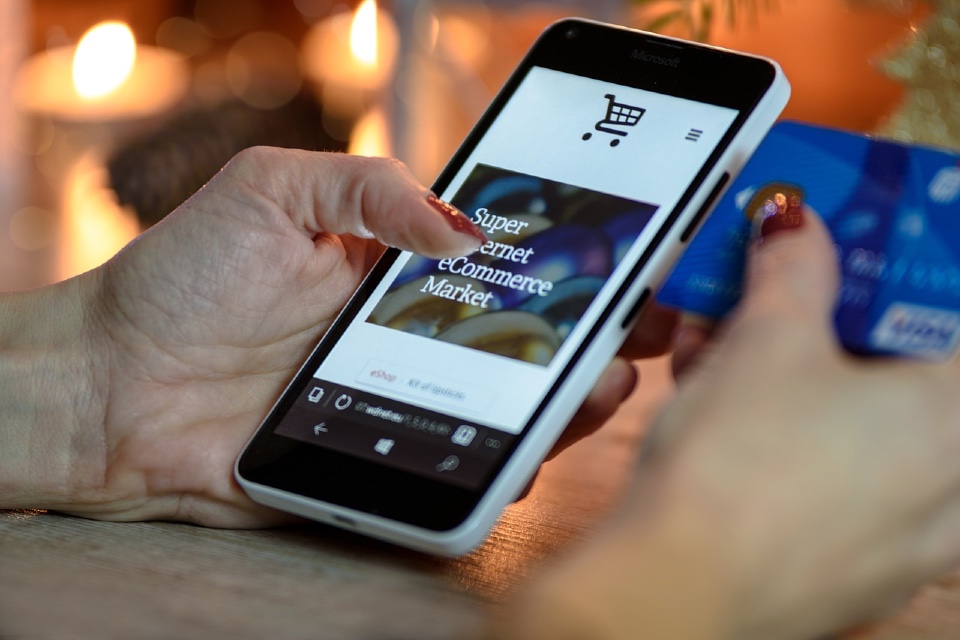
Retailer apps boom as consumers seek deals

A global survey has indicated more consumers are turning to retailers’ mobile apps to streamline in-store shopping experiences and score personalised offers and deals.

Across 11,000 consumer respondents surveyed by Airship, 78% are using retailers’ mobile apps either more often or about the same as last year.

This preference for retail apps extends across age groups and household income levels. Generationally, 81% of millennials and 79% of Gen X report using retail apps more or about the same as last year, followed by 72% of both Gen Z and boomers.

High household incomes lead in regular use of retail apps at 82%, followed by 79% of medium and 75% of low income levels.

When asked about 10 different activities one might use their smartphone to accomplish while shopping in-store, using the retailer’s app grew the most year over year. Globally, 74% of respondents said they are likely to use the brand’s app when shopping at its physical storefronts.

For most countries and generations, the likelihood of using a retailer’s app while shopping in-store is only a few percentage points behind visiting the retailer’s website despite first having to download apps from the App Store or Google Play.

Airship says the data suggests that inflation and the current economy is driving more deal-motivated behaviors from consumers. It also demonstrates an opportunity for retailers to expand customer understanding as shoppers are more motivated to share personal information in exchange for valuable offers and convenient experiences that better meet their needs.

“Today’s consumers are increasingly turning to mobile apps from their favorite retailers to score deals, gain special access and improve their overall customer experience, particularly while shopping at brick-and-mortar stores,” said Thomas Butta, Chief Strategy and Marketing Officer, Airship. “As marketing budgets are pinched and consumers face economic pressures, retailers need greater agility to create and optimize valuable app experiences that grow customer understanding and reward them individually, making life easier and better for everyone involved.”

Do you specialise in Social Media marketing solutions? We want to hear from you!

Each month on Digital Marketing Briefing we’re shining the spotlight on different parts of the print and marketing sectors – and in May we’ll be focussing on Social Media solutions.

It’s all part of our ‘Recommended’ editorial feature, designed to help marketing industry professionals find the best products and services available today.

So, if you specialise in Social Media and would like to be included as part of this exciting new shop window, we’d love to hear from you – for more info, contact Kerry Naumburger on k.naumburger@forumevents.co.uk.

May – Social Media
Jun – Brand Monitoring
July – Web Analytics
Aug – Conversion Rate Optimisation
Sept – Digital Signage
Oct – Brochure Printing
Nov – Creative & Design
Dec – Online Strategy
Jan 2024 – Content Management
Feb 2024 – Lead Generation & Tracking
Mar 2024 – Email Marketing
April 2024 – Digital Printing

Final delegate places released for the Digital Marketing Solutions Summit

If you haven’t confirmed your attendance for this month’s Digital Marketing Solutions Summit, now’s the time – we’ve just released the final 3 delegate places.

10th May, Hilton London Canary Wharf

Can you make it? It is entirely free for you to attend.

Please confirm your attendance here via our online form.

Once submitted, we can start the process of creating your bespoke itinerary that includes short 1-2-1 meetings with suppliers, along with free to attend seminar sessions, viewable here.

Full hospitality is also included.

If you have any questions, then please contact us today.

81% of senior marketers have contingency plans… but only 21% follow them

Eighty-one percent of marketing leaders have established a contingency plan to respond to disruptions, according to a survey by Gartner, but just 21% of respondents said they follow these plans, as marketers weather the storm of continued economic and geopolitical uncertainty.

A Gartner survey of nearly 400 marketing leaders conducted in November and December 2022 revealed that 44% of digital marketing leaders who enacted a contingency plan during an economic disruption event exceeded organization year-over-year profit growth.

“With ongoing economic and geopolitical disruption, contingency plans are more important than ever,” said Greg Carlucci, Senior Director Analyst in the Gartner Marketing practice. “Having a plan is a good first step, but following through on that plan when disruption occurs is what really matters.”

Nearly all respondents reported adjusting their marketing budgets in response to the current economic environment.

Positive budget adjustments are an effective way to counter disruption: Respondents who increased spending relative to their contingency plan were nearly two times more likely to achieve year-over-year profit growth than those who decreased spending or did nothing.

In contrast, just 5% of respondents decreased their spend, reflecting marketing leaders’ increased appetite for budget to deliver against their organizational objectives.

The three most utilized digital channels for B2B marketing organisations executing their 2022 marketing strategy were email marketing, social advertising and SEO, highlighting the effectiveness of these channels during times of disruption.

Investment in digital customer engagement ‘increases revenue by 90%’

Investment in customer engagement continues to drive revenue growth and help companies meet their financial goals in the face of economic headwinds.

Twilio’s fourth annual State of Customer Engagement Report reveals that amid constrained resources and economic uncertainty, investment in digital customer engagement increased brands’ revenue by 90% on average, up from 70% last year.

The data also show that effective customer engagement strengthens brands’ ability to adapt to shifting market conditions and evolving consumer preferences.

Customer engagement leaders report increased customer retention, conversion and long-term loyalty, while six out of 10 companies report that investment in digital customer engagement improved their ability to meet changing customer needs.

Twilio’s State of Customer Engagement Report is based on a survey of more than 4,700 B2C leaders in key sectors across the world, plus a parallel survey of over 6,000 global consumers. It also incorporates data from Twilio’s own customer engagement platform, including Twilio Segment.

Twilio’s 2023 research explores essential consumer trends around personalization, data privacy and trust. The findings highlight the urgent need for brands to leverage zero- and first-party data, meaning data collected directly from interactions with customers rather than a third party, in order to improve customer experience and increase customer lifetime value.

The stakes of using data effectively are high, with 66% of consumers claiming they will stop using a brand if their experience is not personalized. Meanwhile, brands continue to overestimate how well they are meeting consumer expectations for communication preferences, protecting customer data privacy, and transparency around customer data usage. Additional consumer insights include:

  • Consumers want a faster transition to a cookieless future. Nearly one third of consumers always or often reject cookies on websites, while nearly two thirds (65%) of consumers would prefer brands use only first-party data to personalize their experiences. Meanwhile, eighty-one percent of brands are still reliant on third-party data.
  • Consumer frustration with inconsistent digital experiences is growing. 51% of consumers report being frustrated with their interactions over the past year, rising from 46% the year before.
  • Real-time personalization boosts customer lifetime value. 86% of consumers say that personalized experiences increase their loyalty to brands, and consumers spend on average 21% more on brands that personalize.
  • Consumers trust brands less than brands realize. 95% of consumers want more control over their customer data, placing top priority on “identity data.” Four in 10 consumers say they have stopped doing business with a brand after their expectations for trust and privacy weren’t met.

As part of the research, Twilio divided B2C companies into three categories based on their customer engagement maturity: customer engagement leaders, framers, and beginners. Customer engagement leaders—companies that have the most mature use of personalization, first-party data, and highest level of digital engagement—reported enormous benefits and increased revenue growth compared to those who have less advanced customer engagement strategies. Specifically,

  • 82% of customer engagement leaders met or exceeded their company’s financial goals for 2022, compared to 62% of customer engagement beginners
  • 40% of engagement leaders reported much higher customer retention rates than previous years, compared to 12% of beginners
  • 41% of engagement leaders reported much higher customer conversion rates than previous years, versus 15% of beginners.

“In this macroeconomic climate, every business is looking to do more with less budget,” said Joyce Kim, chief marketing officer at Twilio. “This research reflects what we’re hearing across our customer base, which is that when brands use first-hand data to personalize engagement with customers, it saves companies meaningful marketing spend and increases lifetime value. For brands facing growing headwinds, this means ROI today.”

Twilio’s State of Consumer Engagement Report 2023 is available as a web report with data available from 18 countries worldwide, and as a comprehensive, downloadable white paper. Both can be found at www.twilio.com/state-of-customer-engagement.

How can marketeers address ‘loyalty destroying’ home delivery experiences

By Kitty Poole (pictured, above), Chief Marketing Officer at Doddle

Home delivery hit the headlines in the UK last December when a perfect storm of Royal Mail strikes and extreme weather resulted in huge backlogs and many people not getting their parcels in time for Christmas. Doddle found that 62% of shoppers had experienced at least one delivery issue in the month, and 39% of consumers were considering switching retailers to avoid problematic carriers, their reputations damaged by the peak delivery failures.

For marketeers, this has once again highlighted the delivery experience as an important vulnerability in the supply chain with a material brand impact. Putting safeguards in place to ensure consumers avoid the annoying and loyalty-destroying experiences of delivery failure will be crucial at a time when retaining customers is more important than ever, given the challenging economic background and drop in consumer spending.

Since the Covid pandemic consumers have become accustomed to online shopping and increased their expectations of retailers.  A poor delivery experience can be extremely damaging to long-term customer loyalty and generate bad reviews or other negative brand impressions. This is a major challenge for marketeers who are increasingly aware that what were traditionally viewed as operational issues, are now at the heart of any reputational marketing.

For marketeers the Out-of-home (OOH) delivery offer is a win in many ways. It gives shoppers the ability to select convenient local pickup and drop-off points for their online shopping and returns, providing them with choice and greater flexibility.  In addition, the increased security helps address other concerns.

One of the most potent benefits of OOH delivery is that it escapes the familiar unpleasantries of a bad home delivery experience. There can be challenges (queueing at a post office or shop counter for a parcel isn’t always ideal) but in working with customers, we’ve repeatedly seen OOH delivery achieving the highest Net Promoter Score of any delivery type. In addition, the psychological benefit of controlling when to pick up a parcel encourages customers to feel positive about the merchant.

We recently conducted research into European Out-of-Home Delivery Options, surveying retailers across the UK, France, Germany, Spain and Italy to learn which merchants are offering OOH delivery; how they’re making it happen; whether it’s working for them; and what carrier partners need to provide to merchants to make their ecommerce checkouts more effective at converting and retaining customers.

Our survey showed that 77% of European merchants offer OOH delivery and are reaping the benefits, including increased conversion rates, average order value and net promoter score.  50% of our merchant respondents said that they saw an increase in conversion rates since adding the out-of-home delivery options, with 20% saying they saw a significant increase.

OOH deliveries cater to an important demographic of shoppers who cannot guarantee they’ll be at home to accept deliveries, particularly during the working day. Giving them the confidence that they won’t miss their delivery should make them more likely to purchase in the first place and 55% of merchants surveyed saw an increase in average order value since adding out-of-home delivery options to their checkouts. In simple terms, customers who are confident that their delivery will be available at a convenient time and place are liable to spend more.

In addition to enabling the reduction of delivery costs OOH deliveries can also be marketed as the sustainable delivery option.  With fewer deliveries being sent to individual homes, and consumers trip-chaining their errands and parcel pick-ups or drop-offs into local collection points, emissions are reduced as fewer kilometres are driven per parcel. 80% of our survey respondents indicated that they believed it was important to offer consumers a sustainable delivery option – a role OOH delivery should absolutely qualify for and can be promoted to fill.

As the world continues to ‘open up’ and the consumer becomes increasingly busier, implementing integrated OOH delivery options in 2023 will be crucial for retailers to stay ahead of the curve and meet the demands and preferences of the ever-evolving online shopper.  Delivery is often an underrated aspect of customer experience. However, thinking of it as the culmination of the shopping experience requires us to understand the impacts of a negative delivery experience on the retailer’s brand.  In contrast to this, OOH delivery offers huge opportunities for everyone involved in the delivery journey – the customer, carrier and retailer.  For the marketing team it means they are no longer fighting brand damaging issues and can focus on the positives.

How to write compelling copy (that sells) 

By Cecilie Conradsen, Content Guru at Hyped Marketing

No matter your line of business, you’ll need to create engaging copy — the words you use to promote your services online.   

Whether you’re trying to catch the attention of passers-by with a poster, convert leads into customers with your website or improve your ranking on Google, your written content should represent your brand and help you stand out from the competition. 

But writing ‘good’ copy isn’t just about airtight spelling and grammar. A lot goes into producing something that adds value for you and your audience — from defining your tone of voice (TOV) to finding relevant SEO keywords.  

 So, where to begin?  

 A crash course in copywriting

With the market already saturated with bespoke marketing campaigns and trending content, you’ve got to make every word count.  

When done right, your written content can generate engagement from your target audience, leading to click-throughs and site visits that’ll (hopefully) turn into enquiries or purchases. Alternatively, poor-quality copy can confuse your audience and drive away potential customers.   

There’s no magic formula for writing compelling copy (we’re looking at you, ChatGPT…), but there are best practices you can follow to help you nail your niche. Here’s what you need to focus on to make sure your content performs…   

Consistency

One of our top copywriting tips is this: when it comes to copy, consistency is key.  

Will you use contractions? Do you want to come across as helpful and friendly or corporate and high-end? Creating a recognisable TOV and deploying it across all your content — from social media posts to brochures — is one of the easiest ways to guarantee your business stands out.  

Additionally, your copy should always live up to high standards to make a positive impression on your audience. Failing to do a thorough quality check can leave inconsistencies in your messaging and lead to some pretty distracting — although admittedly sometimes hilarious — typos. (Who remembers the Pringles ‘multigran’ incident?)  

Audience

News flash: just because you find something interesting doesn’t mean your customers will. No matter what you’re writing, always keep the reader in mind.   

Are you talking to your audience in a way that they’ll understand and providing them with the information they’re looking for? Is the content you’re writing suitable for the platform you’re posting on, or might it perform better in a different format?   

Remember, what works for one audience might not work for another — don’t waste time barking up the wrong tree!  

Purpose

A copywriter’s job is to evoke a reaction from their audience with the content they publish — from blogs and flyers to press releases and emails. So, to ensure you achieve the response you’re hoping for, it’s crucial to keep the purpose of your writing in mind at all times.  

Are you aiming to inform, persuade or entertain? Determining this will make a big difference to how you write and the language you use.  

Research

Keeping up with the latest trends can be a little overwhelming, but ensuring your content is appropriate, original and topical will help you appear in the right searches and provide the most valuable insights for your audience.   

You should also conduct keyword research when writing blogs and website pages. Including relevant keywords with a good balance of significant search volume and moderate difficulty will boost your search engine optimisation (SEO) ranking, bumping you up on Google’s results pages.   

Plus, adding relevant hashtags to your social media posts can allow you to reach more of your target audience with the content you share.  

Planning 

Never skip the plan. Whether you’re working on an article for PR or writing copy for a website, having a strategy in place can help ensure your writing doesn’t go off on a tangent and disengage the reader.  

If you’re writing long-form copy, work out a content plan that ensures each point flows into the next. Nailing the structure of your writing can be one of the trickiest things to get right, but it’s crucial for making your content interesting to read and easy to understand.  

Try to break up long bits of text into shorter, more manageable paragraphs. Not only will this make your writing more readable, but it’s also important for SEO; Google is likely to penalise a page with sections that are too long. The more you know…  

Call to action  

Struggling to convert page visits to sales? Your promotional content is probably missing a clear call to action (CTA).   

In today’s marketing landscape, it’s becoming increasingly difficult to capture the attention of your ideal customer as they scroll past countless ads every day. So, you need to ensure everything you’re producing has a strong CTA that points the reader towards their next steps.   

Often, less is more. Including simple buttons, snappy headlines and bold text can clarify the main message behind all your marketing activities and ensure you have the best chance of success.   

Only over a quarter of UK organisations have omnichannel connected in their organisations 

Traditional communication methods are still the popular with three quarters (76%) of businesses using Email and three-fifths (59%) using SMS, but only 7% of UK businesses are using digital messaging apps.

The ongoing cost-of-living crisis has set a gloomy tone for consumersacross the country. Whilst customers tighten their pockets, businesses are looking for ways to deliver relevant and personalised communications that keeps customers keen. Yet businesses are missing the mark, according to exclusive new online research from global cloud communications platform Infobip.

The research, commissioned with research company IDG, polled 215 organisations spanning across  retail & e-commerce, transport and logistics, telecommunications, financial and insurance and public sector industries. The research aimed to assess the integration of digital channels and how connected they are across differing departments within an organisation and how this informs the customer experience.

The research found that only over a quarter (28%) of UK organisations have omnichannel connected in their organisations, yet over 60% of UK organisations see the value in connected communication channels.

The results also found the following about channel use in UK organisations:

  • There is a slower adoption of newer digital messaging apps: Traditional communication methods are still the popular with three-quarters (76%) of businesses using Email and 59% using SMS but only 7% of UK businesses are using digital messaging apps; next year this figure is set to double (14%).
  • (66%) of data used in the different channels is customer information, yet only 6% of communication is personalised by behaviour or context.
  • Businesses are finding omnichannel difficult to implement: 61% of UK businesses see a lack of collaboration or connection between departments as the main challenges for implementing an omnichannel Customer Experience

With half (50%) of UK organisations in the process of selecting such technology now, and a third  (33%) planning to invest in having omnichannel messaging platform over the next 6-12 months, the research shows that having connected communication channels is of priority. However there seems to be difficulty in integrating this and using it. The main challenges cited for implementing an omnichannel Customer Experience is difficulty in integrating data with legacy systems (62%) and lack of collaboration or connection between departments (61%).

Almost half of UK and European companies (45% and 41%) have high levels of some digitisation within their organisation, and consistent with the Europe-wide finding, almost all (99%) companies in the UK have customer experience automation integrated into their business at some level. But only half of companies in UK and Europe are actively implementing omnichannel into their systems. There is still some way to go for businesses to achieve optimal omnichannel experience for their end-users.

Ivan Ostojić, Chief Business Officer, at Infobip said: “Just like ourselves, our customers have an abundance of choice ranging from WhatsApp to Skype with their communication apps. While traditional communication methods are still going strong, to deliver effective and personal communication we need to tap into the digital messaging apps that our customers know, prefer and love. It’s encouraging to see we are recognising where our customers are and how we can reach them, this is informing where businesses are investing and funnelling their efforts. However, this can be a confusing task with legacy systems predating omnichannel methods. Partnering with businesses that specialise in supporting businesses transform their customer offering can lighten their load.”

Discover the innovations you need at the Digital Marketing Solutions Summit

Just a reminder to secure your free place at the Digital Marketing Solutions Summit – an exclusive, must-attend event for Digital Marketing professionals, like yourself.

The Summit has been designed to help you build business connections with the latest innovative and budget-saving suppliers within the industry.

Your guest pass includes:
– An itinerary, designed by you, of pre-qualified one-to-one meetings with solution providers.
– A seat at the industry seminar sessions.
– Networking breaks to make sure you get the most of your day out of the office.
– Lunch and refreshments throughout.

Register free today to secure your free place on 10th May at the Hilton London Canary Wharf.

Do you specialise in Digital Printing? We want to hear from you!

Each month on Digital Marketing Briefing we’re shining the spotlight on different parts of the print and marketing sectors – and in April we’ll be focussing on Digital Printing solutions. It’s all part of our ‘Recommended’ editorial feature, designed to help marketing industry professionals find the best products and services available today. So, if you specialise in Digital Printing and would like to be included as part of this exciting new shop window, we’d love to hear from you – for more info, contact Kerry Naumburger on k.naumburger@forumevents.co.uk. April – Digital Printing May – Social Media Jun – Brand Monitoring July – Web Analytics Aug – Conversion Rate Optimisation Sept – Digital Signage Oct – Brochure Printing Nov – Creative & Design Dec – Online Strategy Jan 2024 – Content Management Feb 2024 – Lead Generation & Tracking Mar 2024 – Email Marketing